

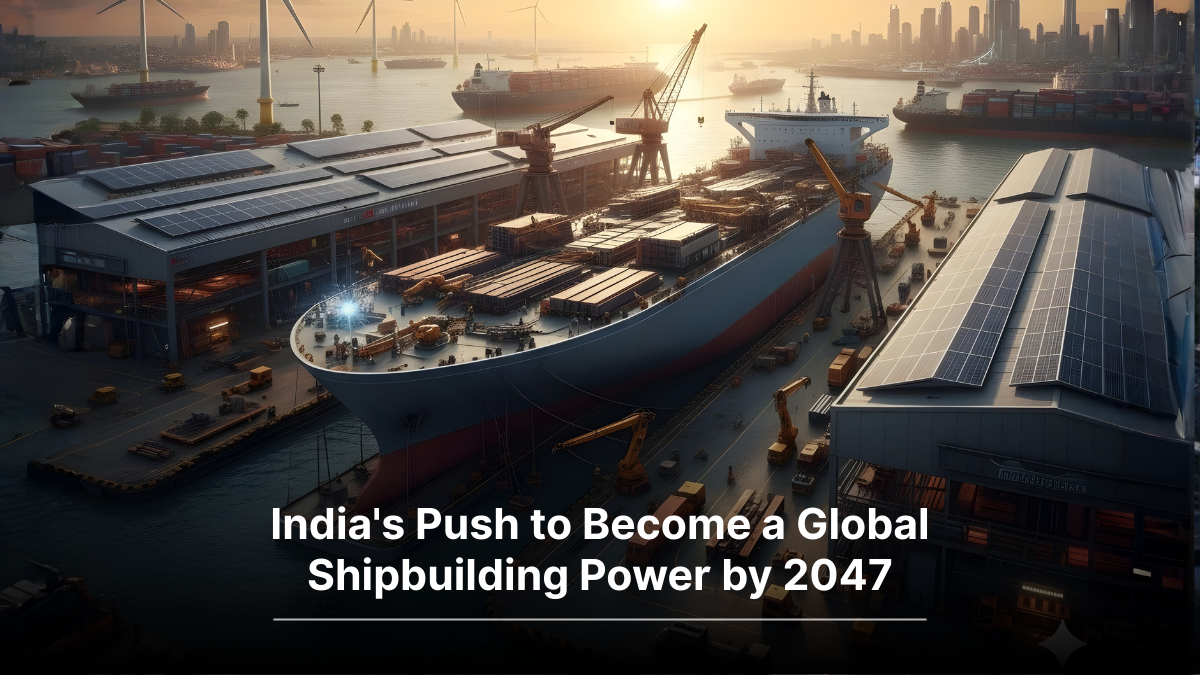
India has taken a major step toward strengthening its maritime and shipbuilding ecosystem by notifying a ₹69.72 crore government-backed scheme focused on boosting domestic shipbuilding capabilities. This initiative aligns with India’s long-term vision of becoming a top global shipbuilding nation by the year 2047, marking 100 years of independence.
The scheme is part of a broader national strategy to reduce dependence on foreign-built vessels, strengthen coastal and inland water transport, and position India as a competitive player in the global maritime supply chain.
Why Shipbuilding Matters for India
Shipbuilding is a strategic sector that directly impacts:
- National security and naval strength
- Export competitiveness and trade efficiency
- Employment generation and skill development
- Self-reliance under the Make in India and Atmanirbhar Bharat initiatives
Despite having a long coastline, skilled workforce, and growing port infrastructure, India’s share in the global shipbuilding market remains relatively small. The newly notified scheme aims to change that trajectory.
Key Highlights of the ₹69.72 Crore Shipbuilding Scheme
1. Financial Support for Indian Shipyards
The scheme provides targeted financial assistance to Indian shipyards to help them:
- Modernize infrastructure
- Improve productivity and efficiency
- Reduce cost disadvantages compared to global competitors
This support is expected to encourage both public and private shipyards to expand capacity.
2. Focus on Indigenous Vessel Construction
A strong emphasis has been placed on building ships within India, including:
- Commercial cargo vessels
- Coastal and inland waterway ships
- Specialized vessels for ports and logistics
This will help lower import dependency and strengthen domestic manufacturing.
3. Enhancing Global Competitiveness
Indian shipbuilders often face cost and scale challenges when competing with established shipbuilding nations. The scheme aims to:
- Improve quality standards
- Encourage adoption of modern shipbuilding technologies
- Help Indian yards compete for international orders
Over time, this could position India as an alternative shipbuilding hub in Asia.
4. Employment and Skill Development
Shipbuilding is a labor-intensive industry. The scheme is expected to:
- Create thousands of direct and indirect jobs
- Boost demand for skilled engineers, welders, designers, and technicians
- Support ancillary industries such as steel, marine equipment, and logistics
This aligns with India’s goal of building a skilled industrial workforce.
Link to India’s Maritime Vision 2047
The shipbuilding scheme complements India’s long-term maritime roadmap, which includes:
- Port modernization and capacity expansion
- Growth of coastal shipping and inland waterways
- Development of green and sustainable shipping
- Strengthening India’s role in global trade corridors
By 2047, India aims not only to meet domestic shipping needs but also to become a net exporter of ships and maritime technology.
What This Means for Logistics and Trade
For the logistics, freight, and supply chain ecosystem, the scheme could bring long-term benefits such as:
- Increased availability of Indian-built vessels
- Lower freight and operational costs
- Stronger coastal and multimodal connectivity
- Better resilience against global shipping disruptions
A stronger shipbuilding base ultimately supports smoother EXIM trade operations.
Challenges Ahead
While the scheme is a positive move, success will depend on:
- Timely implementation and disbursement of incentives
- Coordination between government, shipyards, and private players
- Adoption of digital systems and modern ship design practices
- Long-term policy consistency
Addressing these challenges will be critical to achieving global competitiveness.
Conclusion
India’s ₹69.72 crore shipbuilding scheme is a strategic investment in the country’s maritime future. By supporting domestic shipyards, encouraging indigenous construction, and aligning with Vision 2047, the government has set the foundation for transforming India into a global shipbuilding and maritime powerhouse.
If implemented effectively, this initiative could reshape India’s position in global shipping, trade, and logistics over the next two decades.


