

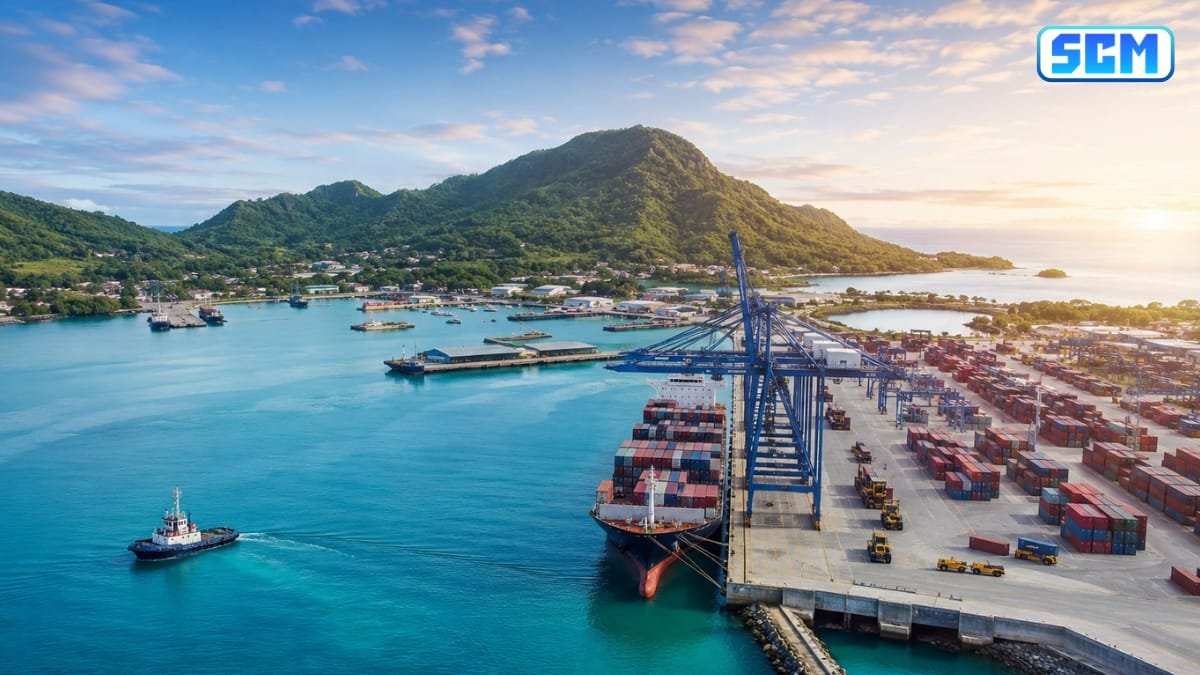
The Quadrilateral Security Dialogue (QUAD), comprising India, the United States, Japan, and Australia, has announced its first joint infrastructure initiative in the Pacific Islands region—a major port development project in Fiji. The initiative is expected to strengthen maritime connectivity, improve regional logistics networks, enhance supply chain resilience, and support economic growth across the Indo-Pacific.
For the logistics, freight forwarding, shipping, and supply chain sectors, the project represents more than just infrastructure development. It signals a broader effort to create reliable trade corridors, diversify maritime routes, and improve connectivity among Pacific Island nations and global markets.
As global supply chains continue to face disruptions caused by geopolitical tensions, port congestion, climate-related challenges, and fluctuating trade patterns, the Fiji Port Initiative could emerge as a critical component of the Indo-Pacific’s future logistics infrastructure.
Quick Answer: What Is the QUAD Fiji Port Initiative?
The QUAD Fiji Port Initiative is the first jointly funded infrastructure project undertaken by India, the United States, Japan, and Australia. The project aims to modernize and expand Fiji’s port infrastructure to improve trade connectivity, strengthen maritime security, support disaster response operations, and enhance supply chain resilience throughout the Indo-Pacific region.
The initiative reflects the QUAD’s growing focus on delivering practical economic and infrastructure solutions alongside its strategic and security objectives.
Key Takeaways
- The Fiji Port Initiative is the first infrastructure project jointly executed by all four QUAD nations.
- The project aims to improve port efficiency, cargo capacity, and maritime connectivity.
- Enhanced port infrastructure will support regional trade and logistics operations.
- Pacific Island nations could benefit from improved access to global markets.
- The initiative may strengthen Indo-Pacific supply chain resilience and maritime security.
- India’s role in the project reinforces its growing influence in the Indo-Pacific region.
- The project could create new opportunities for shipping companies, freight forwarders, and logistics providers.
Why Fiji Matters in the Indo-Pacific Region
Strategic Geographic Location
Fiji occupies a central position within the South Pacific, making it an important transportation and logistics hub for numerous Pacific Island countries.
Its location enables maritime connections between:
- Australia and New Zealand
- Southeast Asia
- North America
- Pacific Island nations
Because many Pacific economies depend heavily on maritime transportation, modern port infrastructure is essential for facilitating imports, exports, tourism, and humanitarian operations.
Gateway to Pacific Island Trade
Most Pacific Island countries rely on shipping for the movement of:
- Food products
- Construction materials
- Fuel supplies
- Consumer goods
- Medical equipment
- Agricultural exports
Efficient port operations can significantly reduce logistics costs while improving the reliability of regional supply chains.
Growing Strategic Importance
The Pacific region has become increasingly important due to:
- Expanding trade routes
- Maritime security concerns
- Critical mineral supply chains
- Climate resilience initiatives
- Infrastructure development opportunities
As economic activity continues to shift toward the Indo-Pacific, Fiji’s strategic significance is expected to increase further.
Understanding the QUAD’s Infrastructure Vision
Historically, the QUAD has focused primarily on regional security and diplomatic cooperation. However, recent initiatives indicate a broader strategy aimed at strengthening economic resilience and regional development.
The QUAD’s infrastructure agenda now includes:
- Port development
- Energy security initiatives
- Maritime cooperation
- Critical minerals partnerships
- Technology collaboration
- Supply chain resilience programs
The Fiji Port Initiative demonstrates how the QUAD is translating policy discussions into tangible projects that can generate measurable economic benefits.
What Improvements Could the Fiji Port Project Deliver?
Port Expansion and Modernization
The project is expected to focus on upgrading existing port facilities to accommodate growing trade volumes.
Potential improvements include:
- New cargo terminals
- Expanded container handling areas
- Improved berth facilities
- Modern port equipment
- Digital port management systems
Modernized infrastructure can significantly improve cargo handling efficiency while reducing vessel turnaround times.
Increased Cargo Capacity
As international trade volumes continue to grow, ports must be capable of handling larger vessels and increased cargo throughput.
Enhanced capacity can provide:
- Reduced congestion
- Faster cargo processing
- Improved shipping schedules
- Greater operational flexibility
For freight forwarders and logistics companies, these improvements translate into more predictable supply chain performance.
Digital Transformation of Port Operations
Modern ports increasingly rely on advanced technologies to optimize operations.
Potential digital enhancements may include:
- Automated cargo tracking
- Electronic documentation systems
- Real-time vessel monitoring
- Port community systems
- Predictive maintenance technologies
Digitalization can reduce administrative delays and improve supply chain visibility.
Climate-Resilient Infrastructure
Pacific Island nations face growing climate-related risks, including:
- Cyclones
- Flooding
- Coastal erosion
- Rising sea levels
Building resilient infrastructure ensures that port operations can continue during and after extreme weather events, supporting both economic activity and disaster response efforts.
How the Fiji Port Initiative Could Impact Indo-Pacific Trade
Strengthening Regional Trade Corridors
The Indo-Pacific region accounts for a significant share of global trade and economic activity. Efficient maritime infrastructure is essential for supporting this growth.
The Fiji Port Initiative may help:
- Improve regional trade connectivity
- Reduce transportation bottlenecks
- Facilitate market access
- Enhance cargo movement efficiency
Better infrastructure creates more reliable trade routes and improves overall supply chain performance.
Supporting Trade Diversification
Global businesses increasingly seek to diversify supply chains to reduce risk.
Enhanced Pacific infrastructure can:
- Create alternative logistics routes
- Support regional distribution hubs
- Expand shipping network options
- Improve route flexibility
Diversified transportation networks help businesses respond more effectively to disruptions.
Improving Connectivity for Small Island Economies
Many Pacific Island countries face logistical challenges due to geographic isolation.
Improved connectivity can:
- Lower transportation costs
- Increase trade opportunities
- Improve import reliability
- Support economic development
These benefits contribute to stronger regional integration and sustainable growth.
Supply Chain Resilience: Why the Project Matters
Lessons from Recent Supply Chain Disruptions
Recent global events exposed vulnerabilities in supply chains worldwide.
Challenges included:
- Port congestion
- Container shortages
- Shipping delays
- Infrastructure limitations
- Labor shortages
Governments and businesses have since prioritized investments that improve supply chain resilience.
Creating Redundant Logistics Capacity
Supply chain resilience depends on having multiple transportation options available.
Modernized Pacific infrastructure can provide:
- Alternative cargo routes
- Additional transshipment capacity
- Improved regional distribution networks
- Greater operational flexibility
These capabilities reduce dependence on a limited number of logistics hubs.
Supporting Critical Industries
Reliable maritime infrastructure supports industries including:
- Manufacturing
- Agriculture
- Mining
- Energy
- Retail
- E-commerce
Improved logistics networks benefit businesses throughout the supply chain ecosystem.
What the Project Means for the Shipping Industry
More Efficient Port Operations
Shipping companies benefit when ports operate efficiently.
Potential advantages include:
- Reduced waiting times
- Faster vessel turnaround
- Lower fuel consumption
- Improved schedule reliability
Operational efficiencies ultimately reduce transportation costs and improve customer service.
Expanded Service Opportunities
As port infrastructure improves, shipping lines may introduce:
- Additional routes
- New services
- Increased vessel frequency
- Enhanced regional coverage
This expansion creates opportunities for carriers and logistics providers.
Greater Cargo Volumes
Improved infrastructure often attracts increased trade activity, leading to:
- Higher cargo throughput
- Expanded logistics operations
- Increased freight demand
- Stronger regional trade flows
These developments support long-term industry growth.
Economic Benefits for Fiji and Pacific Island Nations
Job Creation
Large-scale infrastructure projects generate employment opportunities across multiple sectors.
Potential employment areas include:
- Construction
- Engineering
- Port management
- Logistics operations
- Equipment maintenance
Job creation contributes directly to local economic development.
Increased Foreign Investment
Modern infrastructure improves a country’s attractiveness for investment.
Businesses often prioritize locations that offer:
- Reliable transportation networks
- Efficient logistics services
- Strong connectivity
- Stable infrastructure
The project could encourage additional investment throughout the Pacific region.
Tourism Growth
Ports play a critical role in supporting tourism activities, particularly cruise tourism.
Improved facilities can help attract:
- Cruise operators
- Tourism service providers
- International visitors
Tourism remains a major economic driver for many Pacific Island nations.
Maritime Security and Regional Stability
Modern port infrastructure contributes to broader maritime security objectives.
Benefits may include:
- Improved vessel monitoring
- Enhanced search and rescue capabilities
- Better emergency response coordination
- Increased maritime domain awareness
These capabilities support safer and more secure maritime operations across the Indo-Pacific.
What the Fiji Port Initiative Means for India
India’s participation reflects its expanding role in regional infrastructure development and maritime cooperation.
Potential benefits include:
- Stronger relationships with Pacific Island nations
- Enhanced trade connectivity
- Greater influence in regional development initiatives
- Expanded maritime partnerships
- Support for Indo-Pacific economic integration
The project aligns closely with India’s broader vision for a free, open, and inclusive Indo-Pacific region.
Challenges the Project Must Overcome
While the initiative offers substantial opportunities, several challenges remain.
Financing and Long-Term Investment
Large infrastructure projects require sustained financial commitments throughout planning, construction, and operational phases.
Environmental Considerations
Development must balance economic growth with environmental protection and sustainability goals.
Local Stakeholder Engagement
Successful implementation depends on collaboration with:
- Local communities
- Government agencies
- Regional organizations
- Private sector partners
Operational Sustainability
Long-term success requires effective maintenance, workforce development, and governance structures.
Future Outlook: A Model for Indo-Pacific Infrastructure Cooperation?
The Fiji Port Initiative could become a blueprint for future QUAD infrastructure projects across the Indo-Pacific.
Possible future areas of collaboration include:
- Port modernization
- Logistics corridor development
- Renewable energy infrastructure
- Digital connectivity networks
- Critical mineral supply chains
- Smart transportation systems
If successful, the project may demonstrate how multilateral infrastructure partnerships can strengthen economic resilience while supporting sustainable regional development.
Frequently Asked Questions (FAQs)
What is the QUAD Fiji Port Initiative?
It is a joint infrastructure project involving India, the United States, Japan, and Australia aimed at modernizing Fiji’s port facilities and improving Indo-Pacific connectivity.
Why is Fiji important for regional trade?
Fiji serves as a strategic logistics hub connecting Pacific Island nations with major international markets and shipping routes.
How will the project improve supply chains?
The initiative can increase cargo handling capacity, reduce logistics bottlenecks, improve connectivity, and create more resilient transportation networks.
What industries will benefit most?
Shipping, logistics, freight forwarding, tourism, manufacturing, agriculture, and retail sectors are expected to benefit from improved infrastructure.
How does the project support maritime security?
Modern port facilities enhance vessel monitoring, emergency response capabilities, maritime awareness, and regional coordination efforts.
Conclusion
The QUAD’s Fiji Port Initiative represents a significant milestone in Indo-Pacific infrastructure cooperation. Beyond modernizing a strategic Pacific port, the project has the potential to strengthen trade connectivity, improve logistics efficiency, enhance maritime security, and build more resilient supply chains across one of the world’s most important economic regions.
For logistics providers, freight forwarders, shipping companies, and supply chain professionals, the initiative highlights the growing importance of infrastructure investment in supporting global commerce. As implementation moves forward, the Fiji Port Initiative could become a defining example of how collaborative infrastructure development helps shape the future of Indo-Pacific trade and logistics.


