

Quick Summary
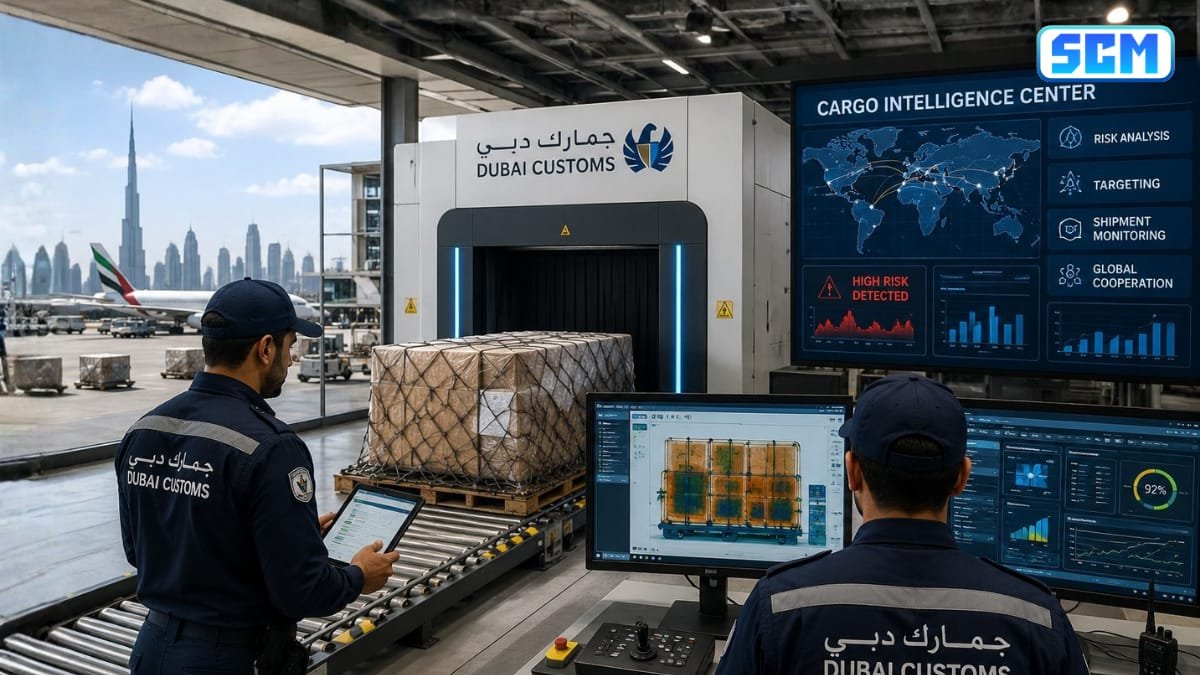
Dubai Customs successfully intercepted approximately 1.332 tonnes of Tapentadol tablets hidden inside an air cargo shipment destined for illegal markets in Africa. The operation was enabled through advanced customs intelligence, AI-powered cargo screening systems, and international enforcement cooperation.
Key Highlights
- Dubai Customs intercepted a major narcotics shipment containing around 1.332 tonnes of Tapentadol tablets.
- The illegal cargo was being transported through air freight channels toward Africa.
- AI-powered cargo scanning and intelligence analysis helped authorities identify the shipment.
- International organizations including Interpol and customs enforcement agencies supported the operation.
- The case highlights the growing importance of AI, customs intelligence, and supply chain security in global trade operations.
Dubai Customs Intercepts 1.332-Tonne Narcotics Shipment
Dubai Customs announced that its Customs Intelligence Department played a critical role in identifying and tracking a suspicious air cargo shipment moving from Asia toward Africa. The shipment was later confirmed to contain around 1.332 tonnes of Tapentadol tablets, a controlled opioid-based medication often abused in illegal drug markets.
Authorities stated that the cargo was detected before reaching its final destination through a combination of:
- Advanced cargo risk profiling
- Intelligence-based shipment monitoring
- AI-powered image analysis systems
- Radiographic scanning technologies
- International customs cooperation
The seizure marks another major success for Dubai’s growing customs intelligence and trade security infrastructure.
What Is Tapentadol and Why Is It Dangerous?
Tapentadol is a prescription opioid pain medication used for treating severe pain under medical supervision. However, due to its addictive properties, the drug has increasingly become a target for illegal trafficking organizations.
Global enforcement agencies have raised concerns over:
- Rising opioid abuse
- Illegal pharmaceutical trafficking
- Organized crime involvement
- Cross-border smuggling networks
- Public health risks linked to synthetic narcotics
The shipment intercepted by Dubai Customs was reportedly intended for black-market distribution in Africa.
AI and Data Intelligence Driving Modern Customs Operations
One of the biggest takeaways from this operation is the growing role of artificial intelligence and predictive analytics within customs enforcement.
Modern customs authorities are no longer relying solely on manual inspections. Instead, they are using:
AI-Powered Cargo Screening
Machine learning systems help identify unusual cargo patterns, suspicious trade routes, and hidden shipment anomalies faster than traditional inspection methods.
Real-Time Risk Assessment
Digital intelligence platforms analyze:
- Cargo declarations
- Shipping routes
- Consignee information
- Historical trade data
- Behavioral shipment patterns
This allows authorities to prioritize high-risk consignments for inspection.
Smart Scanning Infrastructure
Dubai Customs continues investing in:
- High-resolution X-ray scanning systems
- Automated detection technology
- Integrated customs intelligence platforms
- Digital trade security systems
These technologies improve inspection speed while reducing disruption to legitimate cargo movement.
International Cooperation Helped Prevent the Shipment
Officials confirmed that the operation involved coordination with multiple international organizations and customs authorities.
The successful enforcement effort reportedly included support from:
- Interpol
- World Customs Organization (WCO)
- Regional customs intelligence offices
- Authorities in the destination country
The case demonstrates how international customs collaboration is becoming essential as criminal organizations increasingly operate across multiple trade corridors and jurisdictions.
Dubai Customs Expanding Its Global Security Role
Dubai Customs has increasingly positioned itself as a global trade security and customs intelligence leader.
The latest operation reflects Dubai’s broader strategy to strengthen:
- International supply chain security
- Cross-border intelligence sharing
- Trade compliance systems
- Cargo monitoring capabilities
- Anti-smuggling enforcement infrastructure
Officials stated that protecting global trade routes requires continuous investment in digital transformation, intelligence networks, and enforcement technologies.
Why This Matters for the Logistics & Supply Chain Industry
The incident carries important implications for freight forwarding, air cargo, customs compliance, and global trade operations.
1. Air Cargo Networks Face Rising Security Risks
Criminal organizations are increasingly exploiting international air freight systems due to faster transit times and complex multi-country trade routes.
2. Customs Intelligence Is Becoming Digitally Driven
The future of customs enforcement is shifting toward:
- AI-based targeting systems
- Predictive analytics
- Automated inspection workflows
- Data-led enforcement models
3. Supply Chain Security Investments Will Increase
Ports, airports, logistics providers, and freight operators are expected to strengthen:
- Cargo verification systems
- Compliance monitoring
- Digital documentation checks
- Shipment traceability tools
4. Global Trade Compliance Will Become More Strict
Governments and customs agencies are likely to introduce stronger compliance measures to detect illegal cargo movement without slowing legitimate trade flows.
Industry Trend: AI Becoming Critical in Customs Compliance
The Dubai Customs operation reflects a wider industry trend where customs agencies globally are adopting advanced technologies to improve cargo visibility and border security.
Key technologies transforming customs operations include:
- Artificial intelligence
- Big data analytics
- Automated cargo scanning
- Blockchain trade documentation
- Integrated customs management systems
For logistics companies, freight forwarders, and import-export businesses, digital compliance readiness is becoming increasingly important.


