


Quick Summary
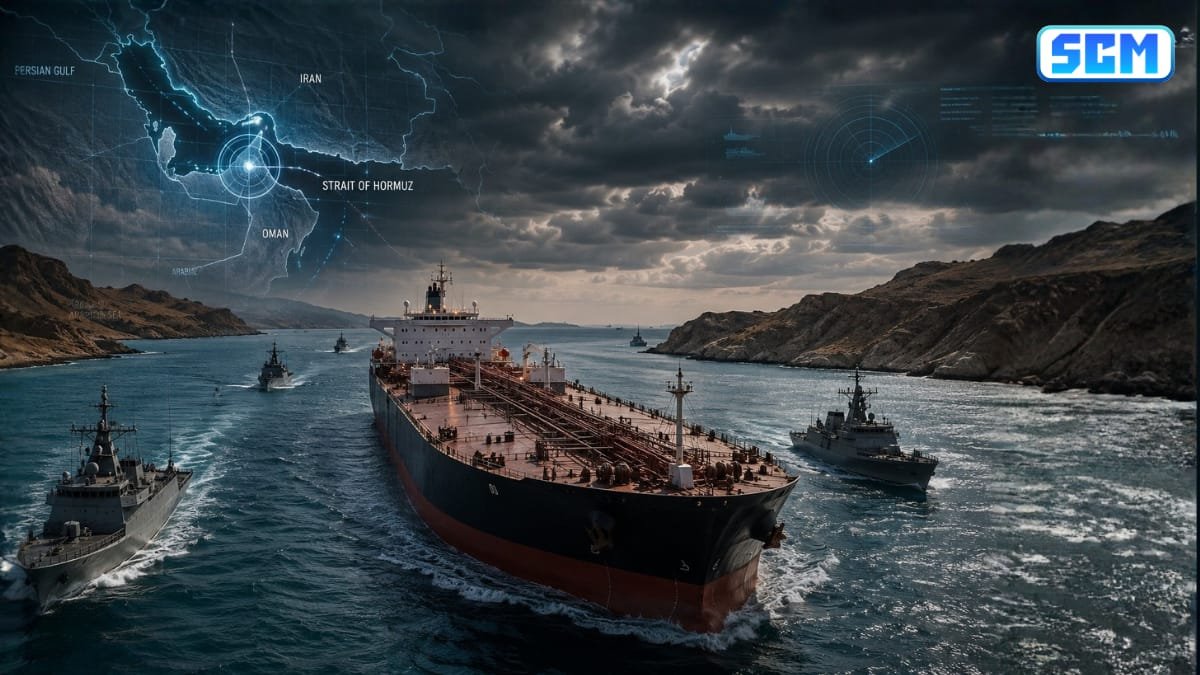
India has issued a fresh maritime advisory urging shipping companies and recruitment agencies to avoid deploying Indian seafarers in conflict-prone Gulf waters amid rising geopolitical tensions near the Strait of Hormuz. The move follows recent attacks on commercial vessels involving Indian crew members and growing concerns over maritime security, oil supply disruptions, and escalating freight costs.
Key Highlights
- India advised shipping agencies to avoid deploying seafarers in high-risk Gulf regions.
- Rising military tensions near the Strait of Hormuz triggered the warning.
- Indian-crewed tankers were recently attacked in Gulf waters.
- Shipping insurance and war-risk premiums are increasing globally.
- The advisory could impact oil transportation and global logistics operations.
- Maritime authorities are coordinating emergency preparedness measures.
India Issues Maritime Safety Advisory Amid Gulf Crisis
India has intensified maritime safety measures after escalating tensions in the Gulf region raised concerns over the safety of Indian seafarers operating on international commercial vessels.
The Directorate General of Shipping (DG Shipping), under the Ministry of Ports, Shipping and Waterways, has reportedly advised recruitment agencies and ship operators to avoid deploying Indian seafarers in conflict-sensitive maritime zones, particularly around the Strait of Hormuz and nearby Gulf waters.
The advisory comes as geopolitical tensions in the Middle East continue to disrupt global shipping operations and create uncertainty across the international energy supply chain.
Why the Advisory Was Issued
The warning follows multiple incidents involving merchant vessels operating in Gulf waters during the ongoing regional conflict.
Recent reports indicate that Indian crew members were aboard commercial tankers targeted during military strikes and maritime attacks linked to tensions involving Iran, the United States, and allied naval operations in the region.
These incidents have significantly increased concerns regarding:
- Crew safety
- Maritime piracy and missile risks
- Tanker security
- Oil shipment disruptions
- Escalating insurance costs
- Operational continuity for shipping companies
Indian maritime authorities are now working closely with global shipping stakeholders and security agencies to monitor developments and coordinate response strategies.
Strait of Hormuz Remains Global Shipping Flashpoint
The Strait of Hormuz remains one of the world’s most strategically important maritime trade routes.
Nearly 20% of global crude oil and petroleum shipments pass through this narrow waterway connecting Gulf producers to Asian, European, and global markets.
For India, the route is especially critical because the country imports a significant portion of its crude oil and LNG supplies from Gulf nations.
Any disruption in the region can directly impact:
- Global oil prices
- Freight markets
- Container shipping schedules
- Energy security
- Supply chain stability
- Inflationary pressures
As tensions rise, global shipping companies are reassessing voyage routes, crew deployment policies, and emergency response frameworks.
Impact on Global Shipping and Logistics Industry
The maritime advisory is expected to create ripple effects across the global logistics and transportation industry.
1. Rising Freight and Insurance Costs
War-risk premiums for vessels operating in Gulf waters have already started increasing.
Shipping companies may face:
- Higher marine insurance costs
- Additional security charges
- Increased bunker expenses due to rerouting
- Delays in vessel turnaround times
These rising costs could eventually impact international trade pricing and fuel markets.
2. Operational Challenges for Tanker Operators
Oil tanker operators may struggle to maintain regular schedules if crew deployment becomes restricted.
Shipping companies could face:
- Crew shortages
- Delayed sailings
- Increased compliance procedures
- Higher operational risks
Some operators may also avoid high-risk routes entirely until regional tensions stabilize.
3. Pressure on Global Energy Supply Chains
The Gulf region plays a central role in global energy exports.
Any sustained disruption in the Strait of Hormuz could affect:
- Crude oil availability
- LNG transportation
- Refinery supply chains
- Petrochemical logistics
This could further increase energy market volatility worldwide.
India’s Maritime Workforce and Strategic Importance
India is among the world’s largest suppliers of maritime professionals, with thousands of Indian seafarers employed on international merchant vessels.
Indian crew members are widely deployed across:
- Oil tankers
- Container vessels
- Bulk carriers
- LNG ships
- Offshore support vessels
Because of this global presence, any geopolitical conflict affecting maritime corridors has direct implications for India’s shipping workforce and overseas maritime operations.
The latest advisory reflects India’s effort to balance:
- Protection of Indian seafarers
- Continuity of global trade operations
- Energy security requirements
- Diplomatic neutrality in the region
Industry Experts Warn of Long-Term Risks
Maritime analysts believe prolonged instability in the Gulf region could reshape shipping patterns globally.
Potential long-term outcomes include:
- Diversification of energy trade routes
- Increased naval escorts for commercial vessels
- Higher dependence on alternative shipping corridors
- Greater investment in maritime risk monitoring technologies
Experts also expect shipping companies to accelerate adoption of:
- AI-powered route risk analysis
- Real-time vessel monitoring systems
- Predictive maritime security tools
- Digital compliance and emergency response platforms
How Shipping Companies Are Responding
Several international shipping operators are already implementing precautionary measures such as:
- Enhanced onboard security protocols
- Alternative routing strategies
- Emergency evacuation planning
- Crew safety briefings
- Continuous geopolitical risk monitoring
Many shipping firms are also coordinating with naval authorities and maritime security agencies for updated navigation advisories.
What This Means for the Global Supply Chain
The Gulf conflict risks highlight how geopolitical tensions can rapidly impact international trade and logistics networks.
For the global supply chain industry, the situation underscores the importance of:
- Supply chain resilience
- Multi-route transportation strategies
- Risk diversification
- Digital visibility across logistics networks
- Crisis response planning
As global trade becomes increasingly interconnected, maritime disruptions in one region can create cascading effects across manufacturing, energy, retail, and transportation sectors worldwide.
Conclusion
India’s latest advisory urging seafarers to avoid conflict-prone Gulf waters reflects growing concerns over maritime security and global shipping stability.
With the Strait of Hormuz remaining a critical energy and trade corridor, rising geopolitical tensions could continue affecting freight costs, oil markets, crew safety, and global supply chain operations in the coming months.
Shipping companies, logistics providers, and energy stakeholders are now closely monitoring the situation as the maritime industry prepares for potential long-term disruptions across one of the world’s busiest shipping routes.
