


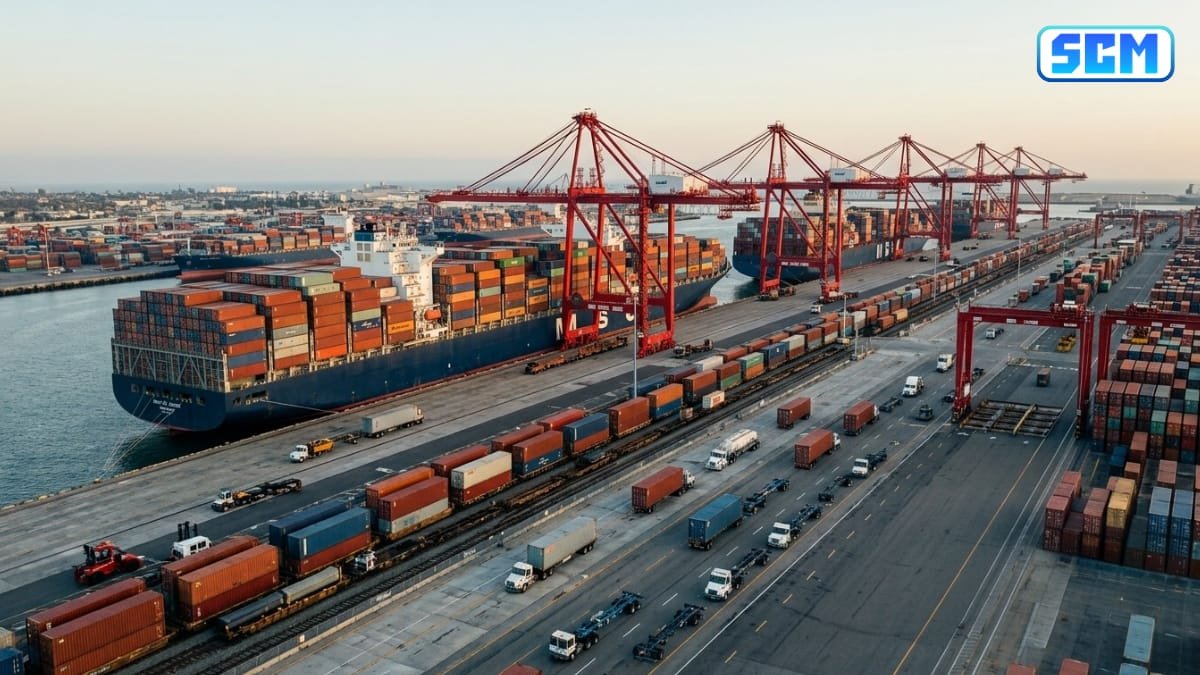
While global trade continues to face uncertainty from shifting tariff policies, geopolitical tensions, and evolving supply chain risks, one of America’s largest container gateways is experiencing a remarkable boom.
The Port of Long Beach, the busiest container gateway in the United States by import volume, reported a 40% year-over-year increase in imports during May 2026, signaling that businesses are choosing to move goods sooner rather than later.
The unexpected surge suggests that importers are prioritizing supply chain resilience over waiting for policy clarity, even as uncertainty surrounding future trade regulations continues to dominate global markets.
Key Highlights
- U.S. container imports at the Port of Long Beach increased 40% year over year in May 2026.
- The port handled 842,030 TEUs, making it one of its busiest months on record.
- Retailers are accelerating shipments ahead of possible tariff changes.
- Holiday inventory planning is driving early imports.
- Strong cargo volumes are increasing demand for warehousing, trucking, customs clearance, and freight forwarding services.
Imports Reach Near-Record Levels
The Port of Long Beach handled 842,030 twenty-foot equivalent units (TEUs) during May 2026, representing a 31.7% increase compared to the same month last year.
The most significant growth came from imports, which climbed 40% to 418,851 TEUs.
Exports also posted strong performance, rising 32.9%, while empty container movements increased 21.8%, indicating continued equipment repositioning for Asia-U.S. trade.
During the first five months of 2026, the port processed more than 4 million TEUs, maintaining one of the strongest starts to a year in its history.
Why Are Imports Rising Despite Global Uncertainty?
At first glance, the surge appears surprising.
Businesses continue to face uncertainty surrounding:
- Potential U.S. tariff adjustments
- Ongoing geopolitical tensions
- Volatile shipping rates
- Higher logistics costs
- Global economic concerns
Yet import volumes continue to grow.
The explanation lies in how companies are managing risk.
Rather than waiting for governments to finalize trade policies, many importers are choosing to move cargo earlier to avoid future disruptions.
This strategy, known as front-loading inventory, has become increasingly common since the pandemic exposed vulnerabilities in global supply chains.
Retailers Are Preparing for Peak Shopping Seasons
Another major driver behind the import surge is seasonal inventory planning.
Retailers are already preparing for:
- Back-to-school demand
- Thanksgiving
- Black Friday
- Christmas shopping
Since ocean freight from Asia typically takes several weeks, businesses cannot afford delays during peak retail seasons.
Importing products early provides greater flexibility if tariffs increase or shipping conditions deteriorate later in the year.
Lessons Learned from Recent Supply Chain Disruptions
Companies have become far more proactive after experiencing multiple global disruptions over the past few years.
These include:
- COVID-19 supply chain bottlenecks
- Red Sea shipping disruptions
- Rising freight costs
- Port congestion
- Container shortages
Instead of operating with minimal inventories, many businesses now maintain larger safety stock levels to reduce operational risk.
The current import surge reflects this shift toward supply chain resilience rather than just-in-time inventory management.
Why the Port of Long Beach Continues to Lead
The Port of Long Beach remains one of the most strategically important gateways for U.S. imports.
Its proximity to major consumer markets across California and the western United States makes it the preferred destination for cargo arriving from Asia.
The port has also invested heavily in:
- Terminal modernization
- Automated cargo handling systems
- Digital logistics technology
- Improved rail connectivity
- Faster truck processing
These improvements enable cargo to move more efficiently through the supply chain, even during periods of elevated demand.
Strong Asia-U.S. Trade Continues to Drive Growth
Most imported cargo arriving at Long Beach originates from major manufacturing hubs across Asia, including:
- China
- Vietnam
- South Korea
- Japan
- Taiwan
- Southeast Asian countries
Despite ongoing discussions about supply chain diversification, Asia remains the dominant manufacturing region for many consumer goods sold in the United States.
What the Rise in Empty Containers Indicates
One often-overlooked statistic from the May report is the 21.8% increase in empty container movements.
While empty containers may appear insignificant, they are actually an important indicator of future trade activity.
Shipping lines are rapidly repositioning containers back to Asia to prepare for additional export shipments destined for North America.
This suggests carriers expect import demand to remain relatively strong over the coming months.
What This Means for the Logistics Industry
The surge is creating opportunities across multiple sectors of the supply chain.
Freight Forwarders
Higher import volumes translate into increased ocean bookings, customs documentation, cargo coordination, and customer demand.
Customs Brokers
More shipments entering the country require faster customs processing and regulatory compliance services.
Warehousing
Growing inventory levels are increasing demand for:
- Distribution centers
- Storage facilities
- Cross-docking operations
- Inventory management services
Trucking Companies
Higher container throughput generates additional drayage and inland transportation demand, particularly around Southern California ports.
Could the Growth Slow Later This Year?
Although current import volumes remain exceptionally strong, industry analysts believe the pace could moderate in the second half of 2026.
Several factors could influence future cargo volumes, including:
- New tariff announcements
- Changes in U.S. trade policy
- Consumer spending trends
- Freight rate fluctuations
- Global geopolitical developments
If businesses complete their inventory buildup earlier than expected, import activity may normalize later in the year.
However, supply chain experts believe companies will continue prioritizing inventory security until greater trade policy certainty emerges.
Industry Perspective
The latest cargo figures demonstrate that businesses are adapting to uncertainty rather than waiting for stability.
Instead of delaying purchasing decisions, many importers are accelerating shipments, strengthening inventory positions, and investing in more resilient supply chain strategies.
For ports, freight forwarders, customs brokers, warehouse operators, and transportation providers, this trend is generating sustained demand even amid an unpredictable global trade environment.
As the peak shipping season approaches, the Port of Long Beach’s strong performance reinforces the importance of proactive logistics planning in today’s rapidly changing supply chain landscape.
Conclusion
The latest import surge at the Port of Long Beach sends a clear message: uncertainty is no longer slowing global trade—it is changing how businesses manage it. Companies are accelerating shipments, increasing inventory buffers, and investing in resilient logistics strategies to stay ahead of potential tariff changes and geopolitical disruptions. While future cargo volumes will depend on trade policies and consumer demand, the current trend underscores the critical role of proactive planning in maintaining supply chain continuity throughout 2026.
