

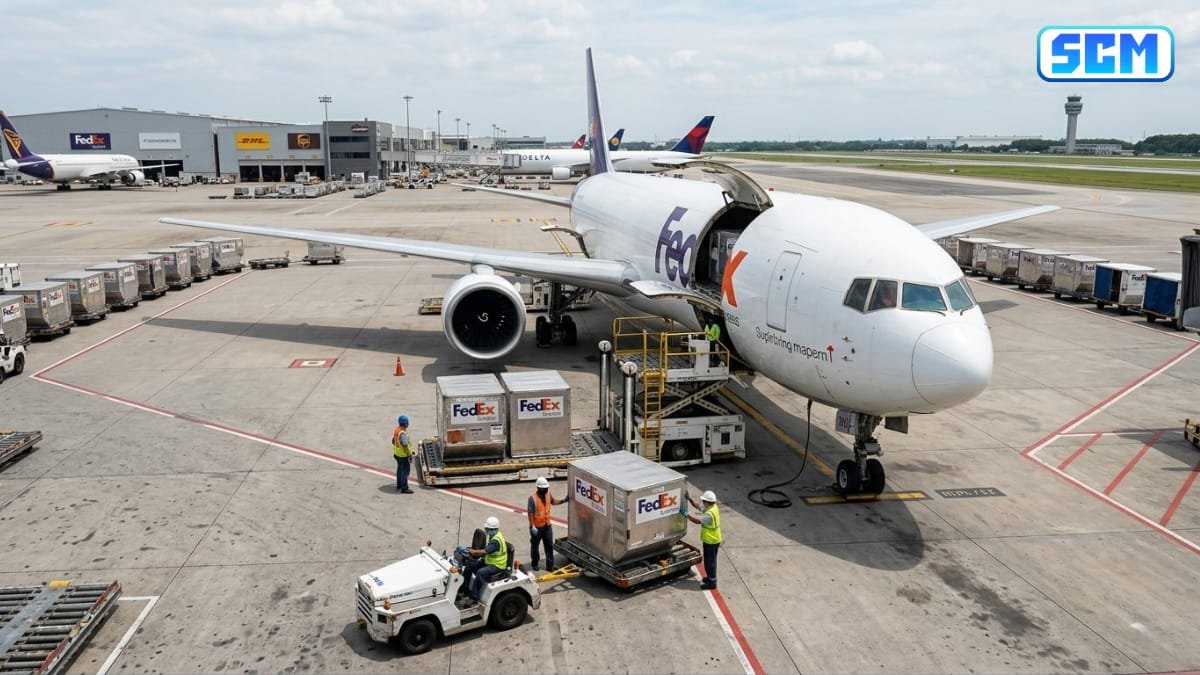
Global exporters may soon find themselves paying more to move goods across borders after FedEx implemented a major change to its international fuel surcharge structure. Effective June 22, 2026, the express logistics giant has consolidated its separate import and export fuel surcharge tables into a single international surcharge model.
While the change may appear administrative on the surface, supply chain experts warn that it could significantly increase transportation costs for businesses that rely heavily on international export shipments.
For exporters already navigating volatile freight markets, geopolitical uncertainty, and rising operational expenses, the new FedEx pricing structure adds another cost factor that cannot be ignored.
Quick Summary
Key Highlights
- FedEx has merged separate import and export fuel surcharge tables into one international surcharge structure.
- The change became effective on June 22, 2026.
- International export shipments are expected to experience higher fuel surcharge costs.
- Import shipments could see slight reductions in surcharge rates.
- Exporters may pay approximately 3–4% more in fuel-related shipping costs.
- Businesses shipping internationally through FedEx Express services are likely to be most affected.
What Has Changed in FedEx’s Fuel Surcharge Policy?
Previously, FedEx maintained different fuel surcharge schedules for:
- International export shipments
- International import shipments
Under the old system, exporters generally benefited from lower fuel surcharge percentages compared to import shipments.
With the new pricing framework, FedEx has standardized fuel surcharges across both shipment categories by introducing a unified international fuel surcharge table.
As a result, export shipments that previously enjoyed lower surcharge rates are now moving closer to the higher levels traditionally applied to imports.
For many exporters, this effectively translates into an increase in overall shipping expenses without a change in actual freight rates.
Why Is FedEx Making This Change?
Although FedEx has not publicly described the update as a rate increase, several market conditions may have influenced the decision.
Rising Aviation Fuel Costs
International express shipments rely heavily on air transportation. Jet fuel remains one of the largest operating expenses for air cargo carriers.
Recent fluctuations in global energy markets have increased pressure on transportation providers to recover fuel-related costs.
Geopolitical Uncertainty
Tensions in key energy-producing regions and concerns surrounding major shipping routes have contributed to fuel market volatility.
Supply chain disruptions linked to geopolitical events continue to impact transportation planning worldwide.
Simplification of Pricing Structures
A unified surcharge system allows FedEx to streamline pricing administration while creating consistency across its international shipping network.
How Much Could Exporters Pay?
The exact impact will vary based on shipment volume, destination, and transportation service selected.
Industry analysts estimate that:
- Export fuel surcharge rates could increase by approximately 3.5 percentage points.
- Companies spending $1,000 on international transportation charges may incur around $35 in additional fuel-related costs.
- High-volume exporters could see thousands of dollars in additional annual logistics expenses.
Example Scenario
A manufacturer spending $75,000 monthly on international FedEx export shipments could potentially experience:
- Approximately $2,625 in additional monthly costs.
- More than $31,000 in extra annual transportation expenses.
While actual figures will vary, the cumulative impact can become significant for businesses operating on tight margins.
Which Industries Are Most Vulnerable?
The surcharge update is expected to affect industries that depend on time-sensitive international deliveries.
E-commerce
Cross-border online sellers frequently use express parcel services to meet customer expectations for rapid delivery.
Electronics
Technology manufacturers and distributors often ship high-value products internationally using air express networks.
Pharmaceuticals and Healthcare
Medical products require reliable and fast transportation, making fuel surcharge increases particularly impactful.
Automotive Components
Automotive supply chains rely heavily on expedited international shipments to avoid production delays.
Fashion and Retail
Retail brands using international fulfillment models may see higher transportation costs passed through the supply chain.
Impact on Global Supply Chains
The announcement arrives at a time when many businesses are actively working to reduce logistics expenses.
Several broader supply chain implications may emerge:
Higher Landed Costs
Businesses may need to adjust product pricing strategies to account for increased transportation expenses.
Carrier Diversification
Shippers could evaluate alternative carriers and transportation options to improve cost efficiency.
Greater Focus on Shipment Consolidation
Organizations may consolidate smaller shipments into larger loads to reduce surcharge exposure.
Increased Contract Negotiations
Many exporters are expected to revisit carrier agreements and seek improved pricing structures.
What Should Exporters Do Next?
Supply chain leaders should proactively assess the financial impact of the new surcharge structure.
Recommended Actions
Review Shipping Data
Analyze current FedEx international shipping volumes and identify high-cost lanes.
Recalculate Landed Costs
Update logistics cost models to reflect the revised fuel surcharge structure.
Compare Carrier Options
Benchmark FedEx pricing against alternative international parcel providers.
Optimize Shipment Planning
Reduce unnecessary expedited shipments and improve order consolidation strategies.
Monitor Fuel Surcharge Updates
Fuel surcharge percentages are adjusted periodically based on market fuel prices and should be tracked closely.
Industry Perspective
The FedEx surcharge adjustment highlights a broader trend within global logistics: transportation providers are increasingly using dynamic pricing mechanisms to manage operational costs.
As fuel markets remain unpredictable, businesses should expect carriers to continue adjusting surcharge programs throughout 2026 and beyond.
For exporters, transportation cost management is becoming a strategic supply chain priority rather than simply a logistics function.
Organizations that actively monitor carrier pricing, diversify transportation options, and improve shipment efficiency will be better positioned to protect margins in an increasingly volatile global trade environment.
Conclusion
FedEx’s decision to introduce a unified international fuel surcharge structure marks a notable shift for global exporters. Although the change simplifies pricing from the carrier’s perspective, it is likely to increase shipping expenses for many businesses that depend on international express transportation.
As global trade continues to face economic uncertainty, fuel price volatility, and evolving transportation costs, exporters must carefully evaluate their logistics strategies and prepare for the financial impact of higher fuel-related charges.
For supply chain professionals, freight forwarders, and exporters, the message is clear: transportation cost visibility and proactive carrier management are becoming more important than ever.


